Last Updated: November 8, 2026
Quick Summary
The most effective way to lower slush machine electricity costs is to control when and how the machine runs, rather than the machine itself. Matching the freezing cycle to your real serving hours, using standby mode during quiet periods, and keeping the unit cool and ventilated all reduce energy use. Regular cleaning of the condenser and checking door seals also stops the compressor working harder than it needs to.
- Check the machine’s rated power on its data plate to estimate running costs.
- Set the freezing cycle to match your real serving hours.
- Switch the machine to standby or reduced mode during quiet periods.
- Keep the unit away from hot ovens and direct sunlight.
- Clean the condenser and check door seals every week.
Table of Contents
- How Much Does It Cost to Run a Slush Machine?
- Cutting Slush Machine Electricity Consumption Day to Day
- Maintenance Checks That Keep Energy Use Down
- Frequently Asked Questions
How Much Does It Cost to Run a Slush Machine?
Running a commercial slush machine can add a noticeable amount to a monthly electricity bill, and slush machine electricity use climbs further when it runs through long opening hours. The exact cost depends on the machine’s power rating, how many hours it operates each day, and the local electricity tariff. Checking the machine’s rated power on its data plate is a practical way to estimate your own running costs. (Source: The Energy Saving Trust’s advice on reducing business energy consumption)
Running costs depend on the model, the number of hours in use and your electricity tariff. For current prices or a quote on a specific model, visit our slush machines range.
Many café owners find that the biggest cost comes from machines left running overnight or during quiet periods. A common approach is to multiply the rated kilowatts by the hours the machine runs, then by your cost per kilowatt-hour. Tracking those idle hours can reveal where a timer or shutdown routine would help, and the same calculation can inform energy-saving decisions for other machines with Benny’s Vending.
If you are not ready to buy outright, a lower-commitment option can help. Machine rentals let you test a unit before deciding on a purchase.
Cutting Slush Machine Electricity Consumption Day to Day
Small daily habits can make a real difference to slush machine energy use. Most of the savings come from how and when the machine runs, not from the machine itself.
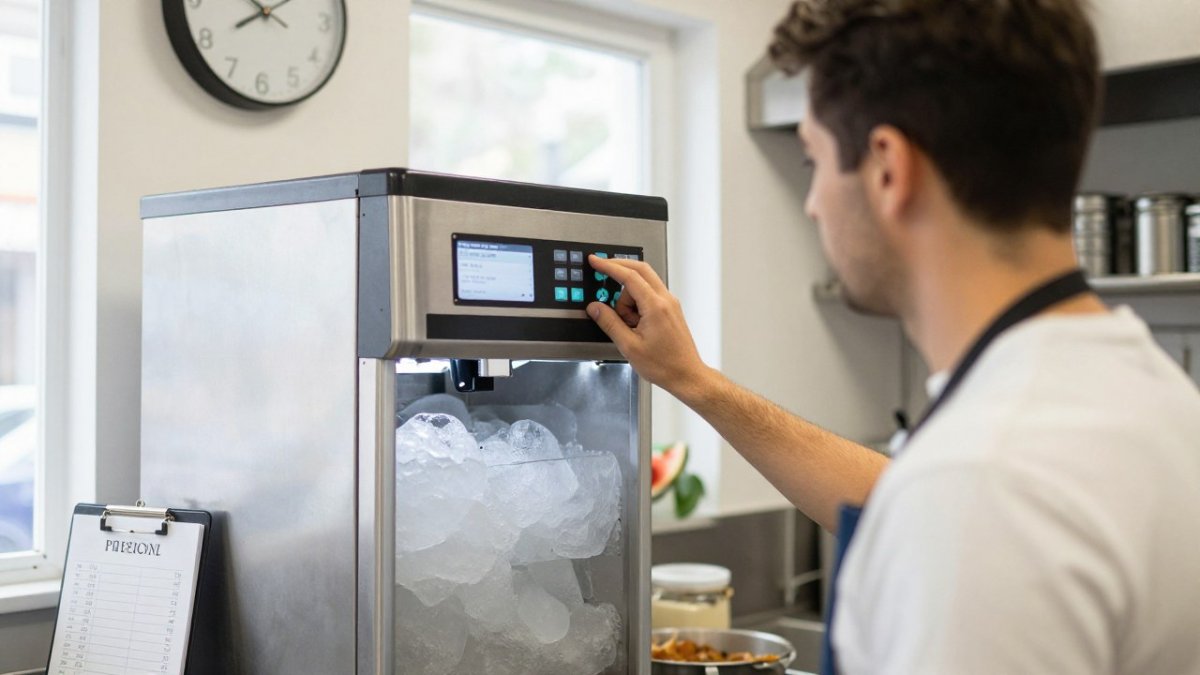
- Switch the machine to standby or reduced mode during quiet periods
- Set the freezing cycle to match your real serving hours
- Keep the machine away from hot ovens and direct sunlight
- Check that vents and the condenser are clear of dust
A machine placed in a hot room has to work harder to keep its tank cold. Keeping the unit in a cool, ventilated spot reduces the load on the compressor. Choosing the right model from the start also helps, and Longo & Co’s commercial slush machines are available to browse.
Watch out: Switching a slush machine off completely overnight can cause the mix to thaw and the unit to use more energy when restarted. Ask your supplier which shutdown method suits your model.
Maintenance Checks That Keep Energy Use Down
Regular maintenance is one of the simplest ways to keep energy use under control. A dirty condenser or a worn seal forces the machine to run longer to reach the same temperature.
Use this simple weekly checklist:
- Clean the condenser and air vents
- Check door seals for cracks or gaps
- Confirm the mix level and temperature settings
- Note any unusual noise or longer freeze times
Small faults can quietly raise power use. Our guide to common slush machine breakdown causes covers the faults that most often push bills up. Regular cleaning also matters, as explained in our piece on why regular cleaning and maintenance matters for ice cream and slush machines.
| Check | How often | Why it matters |
|---|---|---|
| Clean condenser | Weekly | Restores cooling efficiency |
| Inspect door seals | Weekly | Stops cold air escaping |
| Review settings | Monthly | Matches output to demand |
| Service visit | Yearly | Catches hidden faults early |
Longo & Co offers dedicated technical support and maintenance services. Get in touch to discuss a check on your equipment.
Frequently Asked Questions
How much electricity does a commercial slush machine use?
Consumption varies with the machine’s power rating, its size, the ambient temperature and how many hours it runs each day. To estimate it, check the power rating on the data plate, multiply by the hours it actively runs, and divide by 1,000 to get kilowatt-hours. Multiply that figure by your electricity unit rate from your supplier’s bill to find the daily cost in pounds. Check your own meter readings over a week for the most accurate figure, since nameplate ratings describe maximum draw rather than average use.
Is it cheaper to switch a commercial slush machine off overnight?
In most cases, yes, but only if the machine is properly shut down and restarted. Many units use less power in a standby or reduced mode overnight, so check the manufacturer’s guidance before switching off completely. Avoid using a timer plug on a machine that needs its tank kept cold, as the mix can warm and need time to recover. Set a reduced overnight mode where available and test a few nights while logging your meter readings to confirm the saving.
Does regular maintenance reduce a slush machine’s electricity use?
Yes. A dirty condenser coil forces the compressor to work harder to shed heat, which increases consumption. Clean the condenser and air filters on the schedule in the manual, usually every one to two weeks in busy kitchens, and check door seals so cold air does not escape. Keeping the machine well maintained also reduces the risk of a breakdown that leads to wasted energy and lost sales.